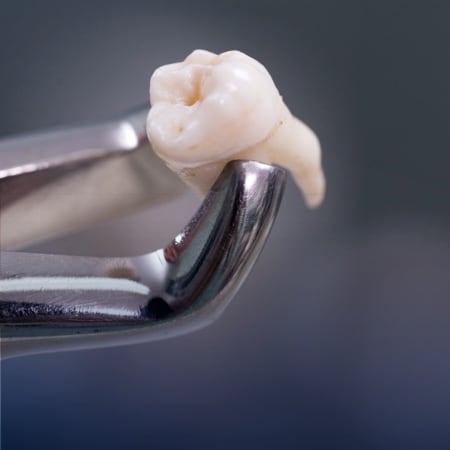

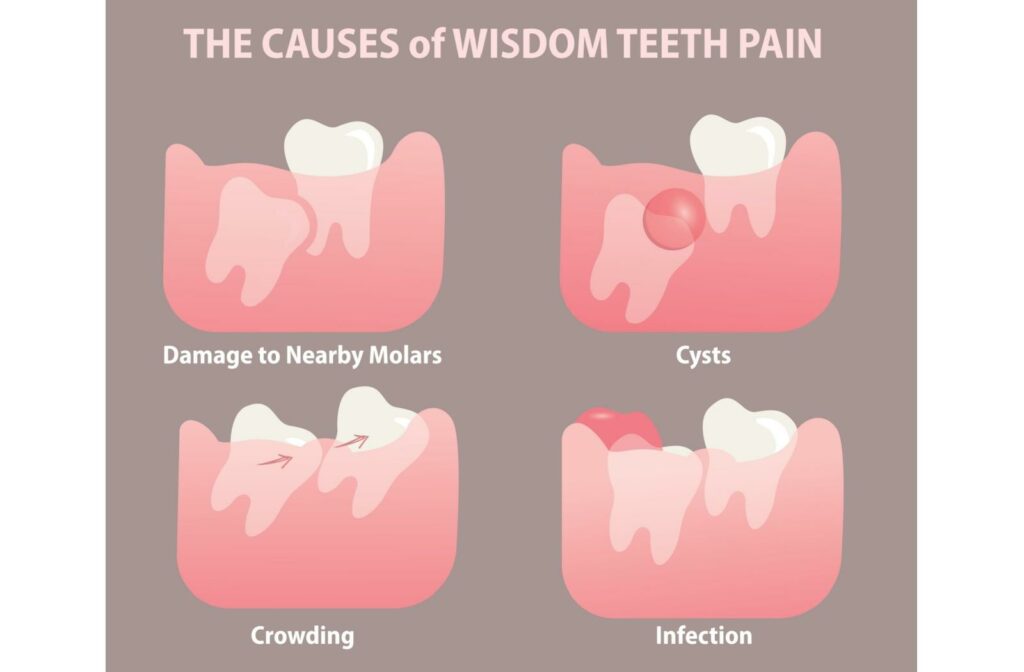
Wisdom teeth are the last to arrive, and because they erupt so late, there often isn’t enough room for them to grow in properly. This lack of space can create problems for neighbouring teeth and sometimes requires professional wisdom tooth removal. When these third molars emerge at an angle or don’t fully break through the gums, it’s wise to consult a specialist to understand the potential impact on your oral health.
Yes. Misaligned or impacted wisdom teeth can create hard-to-clean spaces that allow plaque to build up, leading to cavities in nearby healthy teeth. When wisdom teeth start affecting nearby teeth, an oral and maxillofacial surgeon can provide the surgical expertise needed to prevent further damage.
How Wisdom Teeth Create Problems for Their Neighbours
Your wisdom teeth, also known as third molars, can create a crowded environment in the back of your mouth. This lack of space can lead to a few common problems for the teeth right next to them.
The Challenge of a Crowded Space
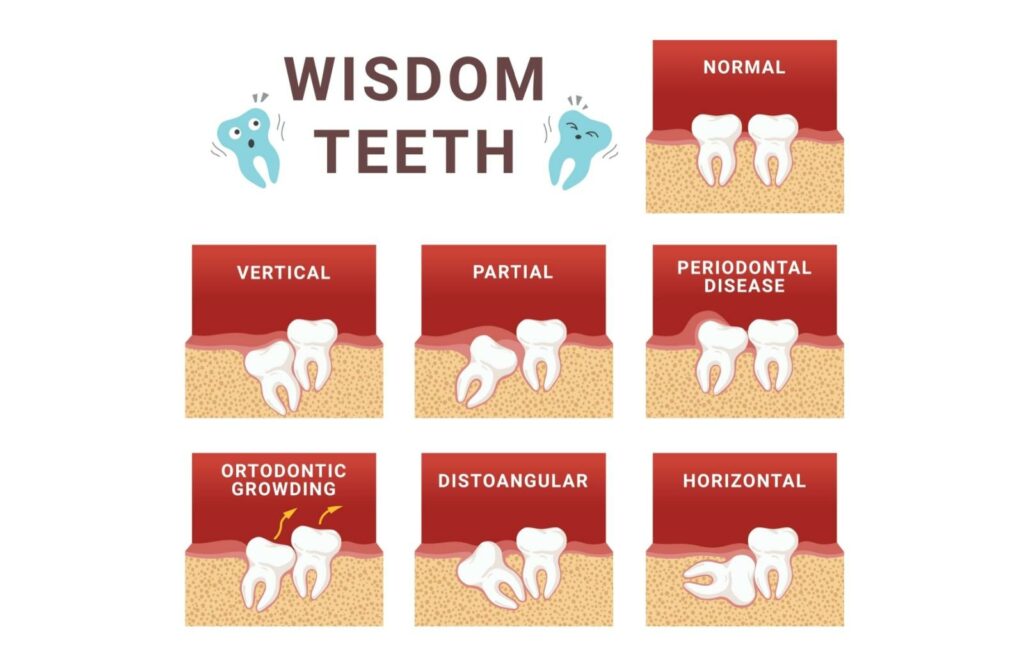
When a wisdom tooth doesn’t have a clear path to erupt, it can become stuck—or impacted—in your jawbone or gums. This can cause it to grow in sideways, tilted, or only partially break through the gumline.
A Perfect Spot for Plaque & Bacteria
The awkward position of an impacted or partially-erupted wisdom tooth creates tight spaces that are very difficult to clean. These nooks and crannies can easily trap food particles and dental plaque, making them a hotspot for bacteria.
The Direct Link Between Wisdom Teeth & Cavities
That tricky spot between your wisdom tooth and the second molar is a prime location for tooth decay to begin. The plaque that collects there can put both teeth at risk for cavities.
Difficult to Clean Areas
It’s very difficult to clean the tight space between a misaligned wisdom tooth and the molar in front of it. In these spots, bacteria can thrive, producing acids that erode tooth enamel and increase the risk of cavities.
Pressure That Shifts Your Bite
An impacted wisdom tooth can also put constant pressure on the next molar. This can cause teeth to shift over time, creating new tight spots where plaque can hide and even contribute to issues like jaw pain, highlighting the connection between wisdom teeth and TMJ symptoms.
Other Ways Wisdom Teeth Can Damage Your Smile
Cavities are a frequent concern, but impacted wisdom teeth can cause other issues for your oral health if they’re not addressed. It’s helpful to be aware of what else can happen.
Root Damage or Resorption
In some situations, the pressure from an impacted wisdom tooth can damage the root of the neighbouring molar. This process is called resorption, and it can occur without you noticing any symptoms at first.
Gum Inflammation & Infection
A partially erupted wisdom tooth often has a flap of gum tissue covering part of it. This flap can trap food and bacteria, leading to a painful gum infection called pericoronitis. Understanding how to spot an infection is key to getting timely care and relief from the swelling and discomfort.
Cysts or Other Growths
An impacted wisdom tooth can sometimes develop a fluid-filled sac, known as a cyst. If left untreated, cysts may damage the jawbone, nerves, or nearby teeth. These conditions fall under oral pathology and require specialized care.
Signs It’s Time for a Conversation
Your body can give you clues when your wisdom teeth are causing a problem. Paying attention to these signs is a great first step toward feeling better.
- Pain, pressure, or stiffness in your jaw
- Red, swollen, or tender gums behind your last molar
- Ongoing bad breath or a constant unpleasant taste in your mouth
- Trouble opening your mouth or chewing
Your dentist may notice these warning signs during an exam, but an oral surgeon is the specialist who can address the underlying problem with surgical expertise.
Why Talk to an Oral Surgeon About Your Wisdom Teeth?
While your family dentist is your go-to for routine care, oral surgeons have specific training in surgical procedures like wisdom tooth removal. Their focused background makes them a great resource for this conversation.
Focused Training & Experience
After dental school, oral surgeons complete several years of additional, hospital-based residency training. This prepares them to handle both straightforward and complex extractions with a steady, confident approach.
A Range of Sedation Options
Unlike general dentists, oral surgeons are trained and certified to provide a full range of sedation options, from local anesthesia to deeper levels of sedation. This added expertise helps ensure you remain safe and comfortable, even during complex extractions.
Does Everyone Need Their Wisdom Teeth Removed?
Not everyone requires wisdom tooth extraction. For some patients, these teeth grow in without causing pain, crowding, or damage to neighbouring teeth. The key is whether they are healthy, properly aligned, and easy to keep clean.
When Your Wisdom Teeth Can Stay
If your wisdom teeth are fully erupted, positioned correctly, and don’t interfere with your bite, they may not need to be removed. With regular brushing, flossing, and professional cleanings, these teeth can remain a functional part of your smile.
It’s still important to have them monitored through regular dental exams and X-rays. Even wisdom teeth that appear healthy can develop problems later if gum tissue changes, decay develops in hard-to-reach areas, or shifting occurs over time. Ongoing professional care helps ensure they remain problem-free.
The Value of an Early Assessment
An early evaluation with an oral surgeon can provide clarity and peace of mind. Understanding how your wisdom teeth may affect your oral health helps you make confident decisions before problems develop.
Serving patients across Mississauga, Milton, Oakville, and Burlington, Credit Valley Oral Surgery is here to provide expert advice and treatment options tailored to your needs. Contact your dentist and ask to schedule your consultation today to protect your smile and prevent future complications.